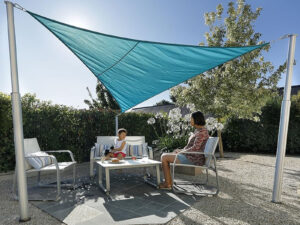
Shade sails are flexible outdoor fabrics that offer shade when it’s sunny and shelter when it rains. They guarantee comfort and are stylish and affordable, with our prices starting from £59 including VAT.
Showing 1–12 of 13 resultsSorted by price: high to low
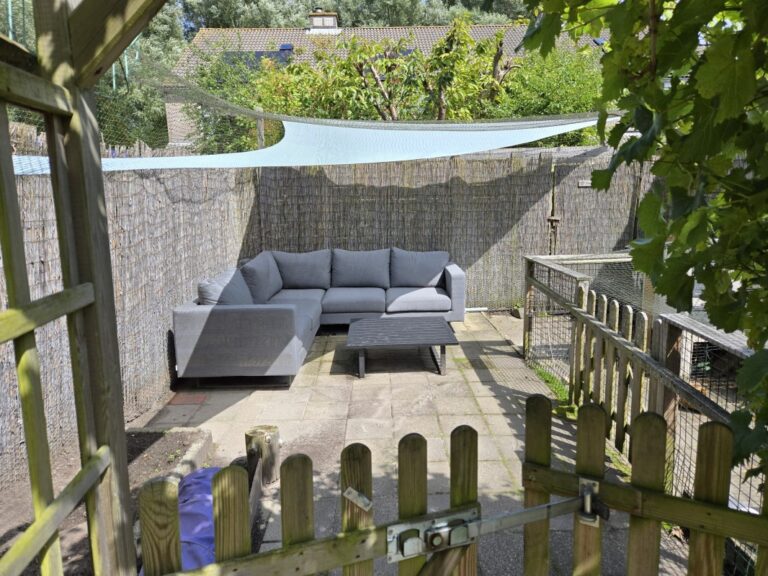
Our shade sails for gardens are crafted from durable materials like high-density polyethylene (HDPE) fabric to provide up to 95% protection against harsh UV rays. Easy maintenance is guaranteed with every shade sail cloth you choose.
Available in different shapes such as triangles, squares, and rectangles, a shade sail can easily be placed at different angles to suit your outdoor space, be it a patio, terrace or balcony. You can also select a water resistant (more breathable) or waterproof material for your shade sails.
Whether you would like to shade your garden, patio, swimming pool, or perhaps your little ones’ outdoor play area, shade sails are a fantastic shade structure to consider.
Breathable vs Waterproof Shade Sails For Gardens
This is something you should consider before making your final decision on which to go for – each type of material will vary in breathability, UV protection, heat and wind resistance, as well as water impermeability. By reviewing what you would like to achieve with your shade sails, it will help you determine which material will suit you better.
Breathable Shade Sails
A breathable shade sail provides optimum shade with up to 95% UV protection. Our breathable shade fabric, a popular choice, consists of a durable HDPE fabric. This woven fabric appears porous, creating minute gaps for ventilation that keeps the shaded area cooler compared to its waterproof equivalent.
Up to 95% UV protection
Superior cooling properties with air circulation
Wind resistant - won't strain posts or anchors
Water-resistant (suitable for light rain)
Requires 30° tilt for rainwater runoff
Best for: maximum cooling, windy areas, residential gardens
Cooler atmosphere
The shade fabric in our breathable selection has small openings (like skin pores), which allow air to circulate, prevent direct sunlight, and further cool the space underneath. Since it’s breathable, it has better cooling properties than waterproof materials.
Waterproof Shade Sails
The shade fabric in our breathable selection has small openings (like skin pores), which allow air to circulate, prevent direct sunlight, and further cool the space underneath. Since it’s breathable, it has better cooling properties than waterproof materials.
Maximum UV protection (tight weave)
100% waterproof - handles heavy rain
All-weather protection
Popular in commercial settings
Requires proper tension and angling
Best for: Rain protection, commercial use, year-round coverage
Rain shelter
The shade fabric in our breathable selection has small openings (like skin pores), which allow air to circulate, prevent direct sunlight, and further cool the space underneath. Since it’s breathable, it has better cooling properties than waterproof materials.
Why Choose Shade Sails?
UV Protection
Up to 95% protection against harsh UV rays
Wind Resistant
Breathable fabric allows wind to pass through safely
Weather Protection
Options for both water-resistant and waterproof coverage
Cooler Atmosphere
Breathable design keeps shaded areas significantly cooler
Perfect For Any Outdoor Space
Gardens & Patios
Create a comfortable outdoor living space
Swimming Pools
Provide shade and UV protection by the pool
Terraces & Balconies
Maximise your outdoor apartment living
Children's Play Areas
Safe, shaded play spaces for little ones
Commercial Spaces
Restaurants, cafes, and outdoor venues. Know more
Frequently Asked Questions
Which material is best for sunshade?
It really depends on your requirements. Both breathable and waterproof shade fabrics offer sunshade. However, if you’re looking for sunshade, higher UV protection, and water impermeable material, then the waterproof fabric is best for you. On the other hand, if you’re looking for sunshade whilst keeping the shaded area cooler and resistant to gusts of wind, then the breathable fabric is best for you.
How much cooler is it under a shade sail?
Breathable shade fabric generally keeps the shaded space cooler than waterproof fabric. The former comes with a woven fabric that appears porous-like, which helps with air circulation and keeps the shaded space cooler as the outdoor temperature rises gradually.
Can I waterproof my breathable shade sail?
Unfortunately, this isn’t an option that is available. Woven fabrics used in breathable shade sails have little openings that allow air to pass. This is designed to provide a cooler environment while you enjoy the outdoors in the shade. Adding another cover on top of it would likely increase the weight of the shade material and risk damaging the whole shade structure.
Does rain go through a shade sail?
For breathable shade sails, which are suitable only for light rain, the shade cloth needs to be angled at 30 degrees to enable water to drain away. Alternatively, when it’s raining and you still want to remain outside without getting wet, waterproof shade sails are the perfect solution. With proper angling and tension, this fabric is designed to resist anything from light drizzle to heavy rainfalls.
What is the maximum span of a shade sail?
The maximum span of a shade sail will differ from manufacturer to manufacturer and also will include the shape and use of the shade sail. For the different types of sails, these are the recommended maximum spans:
Commercial HDPE shade sails (most commonly used) – 6-8m per side
High-end commercial or architectural sails – with engineered steel posts, heavy cabling and professional installation, the safest maximum spam is around 10-12m
Residential / DIY kits – safest span is under 5-6m per side
Spans are limited because of the quality of the fabric (how much they stretch and sag), wind loads, tension requirements (larger sails need extremely strong anchor points) and drainage (bigger spans are harder to pitch correctly to shed water).
What can I use instead of shade sail?
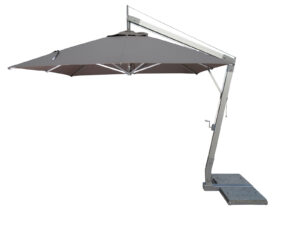
There are many different shade structures available, such as parasols, awnings and pergolas. But it really depends on the space you’re looking to shade, and what you’re looking to achieve from it.
Can shade sails be left out?
Shade sails can be left out, absolutely, but for how long you would like to leave it out depends on the type of sail you have and the weather conditions surrounding. The most common shade sail is a permeable HDPE shade sail, and these are designed to be left out the whole of the season. They have fantastic UV protection, are mold and mildew resistant, and are breathable. They’re usually left out between spring and fall, and if this particular shade sail is properly tensioned, they can last 5-10+ years.
When to take down shade sails?
There are various weather conditions that require the removal of your sail shade, such as high winds (25-30mph+), storms or hurricanes (if you live in an area where these are common), snow or ice loads and also if the tension has loosened over time and developed sagging in the material.
Which material is best for sunshade?
Based on your needs, the following can help you decide which fabric is best:
Longest lasting and aesthetically pleasing – acrylic (such as Recasens)
Budget-friendly – HDPE
Can you leave shade sails up in winter?
It is not recommended to leave shade sails up in winter. If you’re expecting snow/ice, strong winds, freezing rain or free-thaw cycles, then please take your shade sails down.
Can you leave the shade sail up in the rain?
In short, yes, you can leave the shade sail up in rain, but it’ll be dependent on how heavy the rain is and what type of fabric you have – with light rain, waterproof and water-resistant fabrics are fine to have up but if the rain starts to get heavier, then waterproof fabric will be the best option. Whenever you leave your shade sail up in the rain, please proceed with caution, as the following could happen:
Rain could collect on the surface of the shade sail, which poses a high risk of ponding (water sagging in the middle) – this can stretch or damage the fabric, bend the posts and pull out any fixtures
If your posts and anchors are not engineered, it’s unsafe to have them up in rain