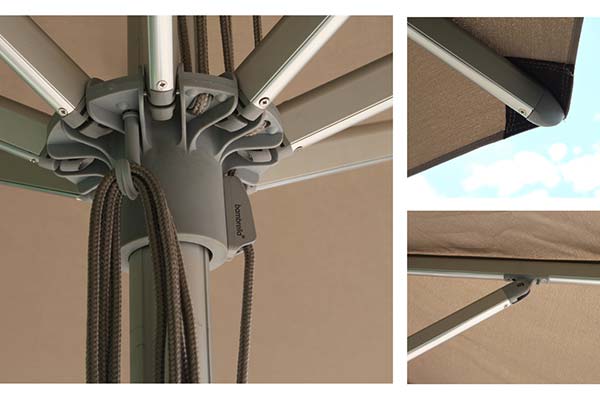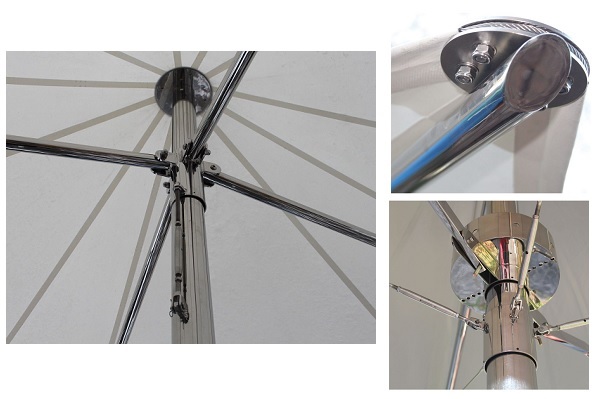
Beautiful Parasols for Every Setting

Whether you’re shading a commercial business or adding elegance to your garden, our parasol range caters to every need and style. From centre-pole classics to resilient wind-proof designs, explore our collection by Type, Material, Usage, and Shape.

Types of Garden Parasols

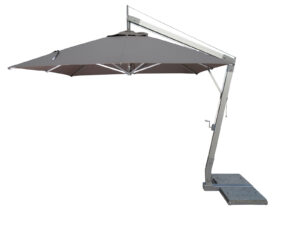
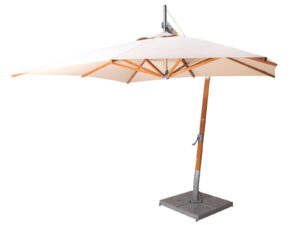
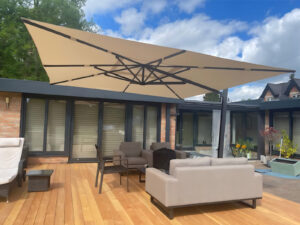
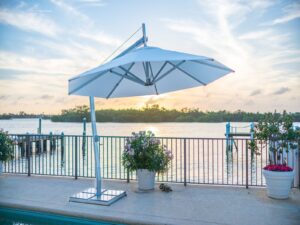
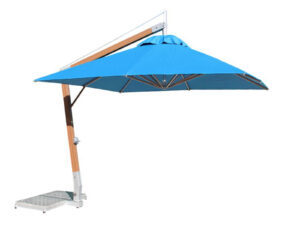
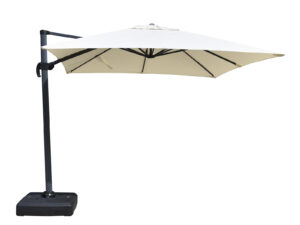
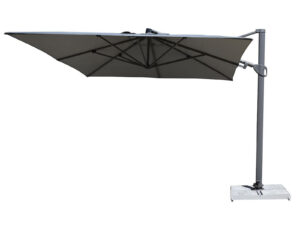
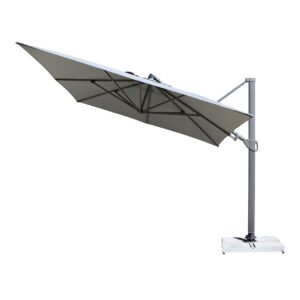
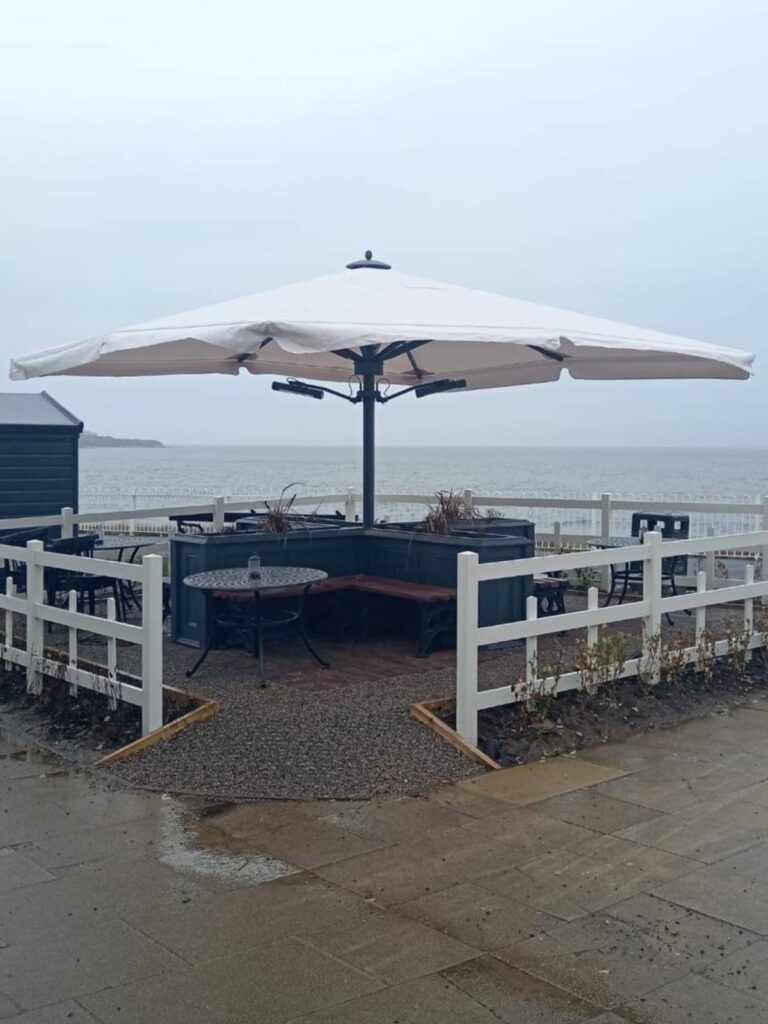
This parasol type comes with an offset design where the post sits to one side. The canopy extends out on an arm, leaving the entire shaded area completely clear underneath. No post in the way of conversation, dining, or movement.

Most cantilever models rotate 360° and tilt, and this means the canopy can follow the sun through the day without moving the furniture. They need a heavier base which can typically be 240kg for larger sidewind models. The heavy base weight is what keeps this parasol type steady even during heavy gusts of wind.

Good for: corner sofas, lounge sets, larger patios, commercial terraces where flexibility matters.

Bambrella Levante Side Wind Firmdale Hotel

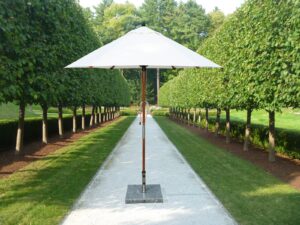
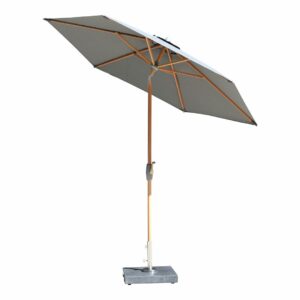
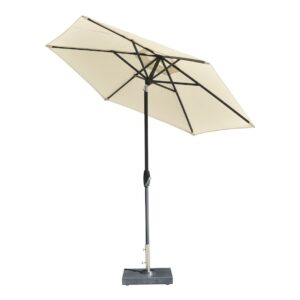
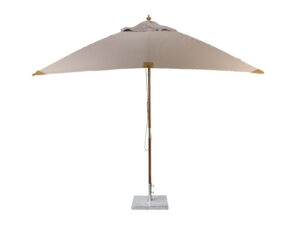
The most common type. The post runs straight up through the centre, which is usually through a hole in a dining table or into a freestanding base. Stable, well-priced, available in almost every size and material.

There’s a pole in the middle of everything. For dining sets that’s fine where the table hole is designed for it. For a sofa or lounge area, the obstruction can become frustrating, because the centre pole could start to block the view.

Good for: dining tables, straightforward residential gardens, smaller patios.

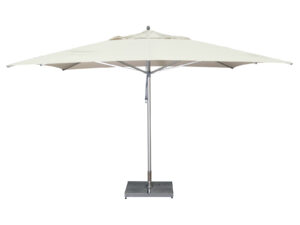
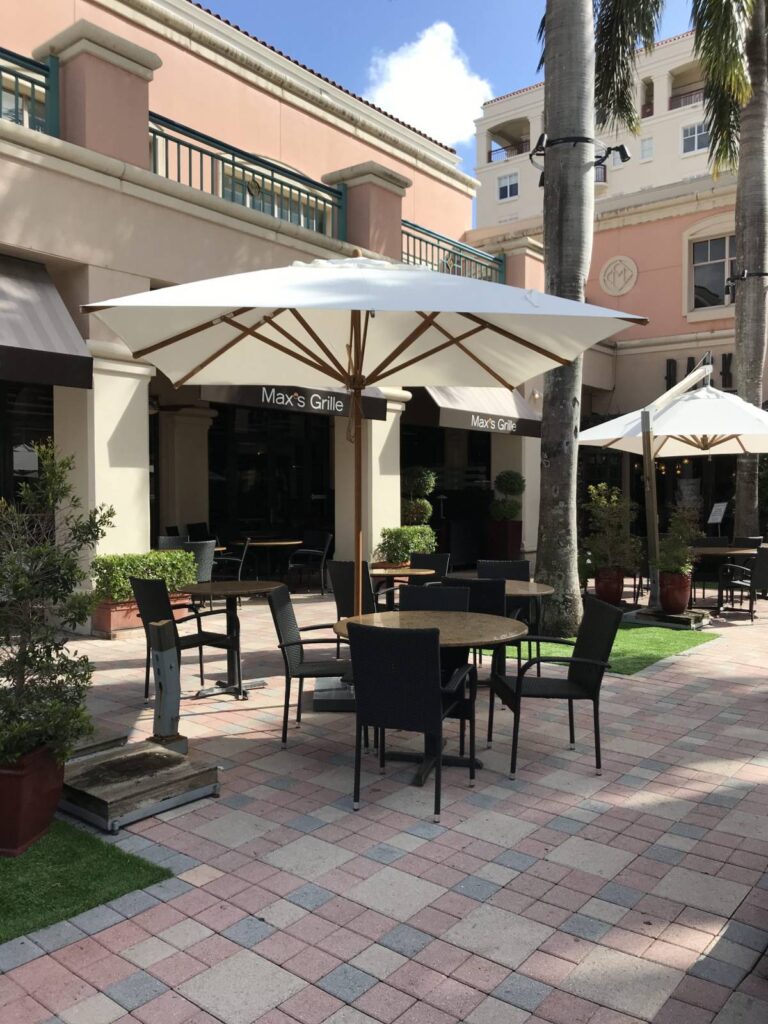
A large parasol is best suited for bigger spaces, such commercial terraces, hotel gardens, and large residential areas. These parasols typically have a central mast but at a scale where it stops being intrusive. They use heavier frame gauges and commercial-grade fabrics because the leverage forces on a 4m+ canopy in wind are considerable.

If you’re buying parasols for a pub garden, restaurant, or hotel terrace: the distinction between a residential and commercial parasol matters. Learn more about our commercial parasols.

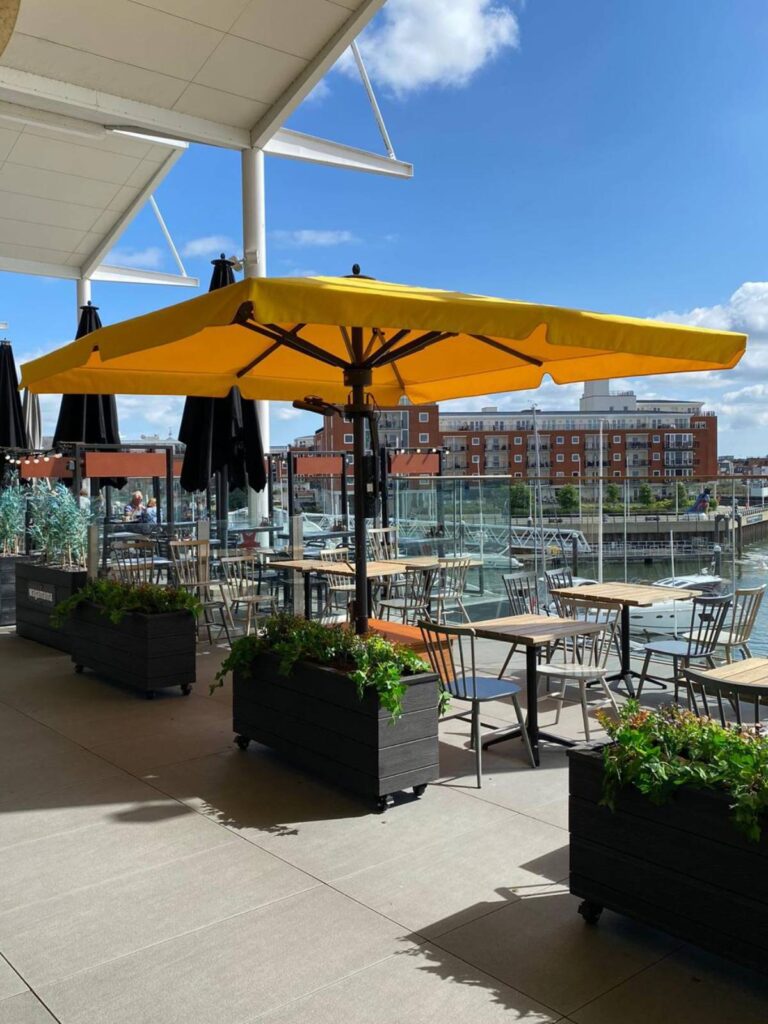
bright yellow commercial parasol in an outdoor setting of a cafe

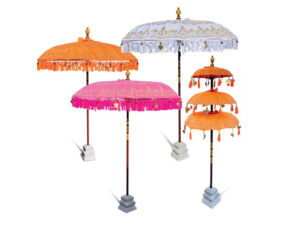
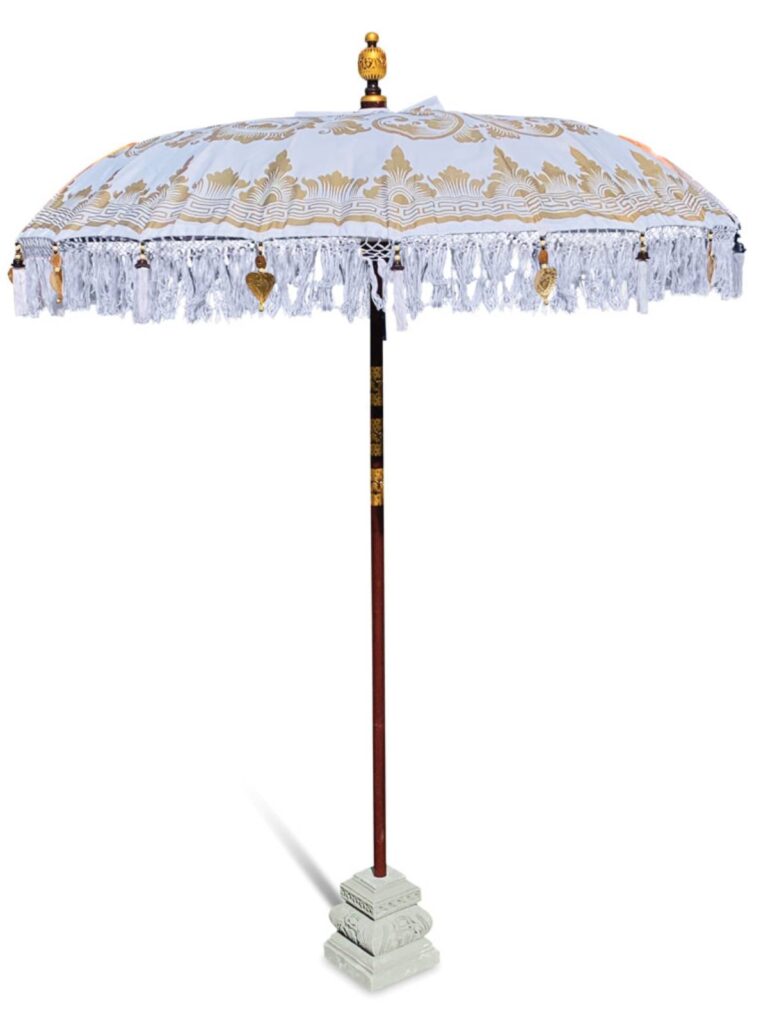
Exotic and decorative, these lightweight parasols bring decorative flair with a natural touch—best suited for serene garden or spa settings.

Balinese parasols are purely for decoration purposes as opposed to shading from the sun and harsher elements. These are perfect for events, poolside parties and anywhere in your outdoor area that could use a bit of pizzazz.

They are less flexible in use compared to practical centre pole parasols and cantilever parasols.

Built for exposed, breezy locations, these parasols are wind-rated and more likely to withstand UK gusts without damage.

A wind-resistant parasol has a canopy that lets air through without lifting it, a frame that is usually made of aluminium or stainless steel and is stronger, and a base system that is heavier.

This is the most important thing to think about if your garden is on the coast, on a slope, or on a rooftop. Most standard residential parasols are rated for Beaufort Force 3 to 4. Parasols that can stand still even when the wind is blowing at Force 5 or more are called wind-resistant. Our selection of windproof parasols goes into great detail about the options.

How to pick the right parasol size?
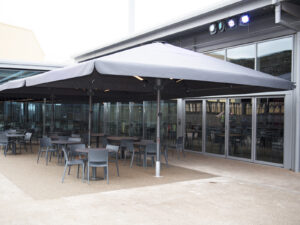
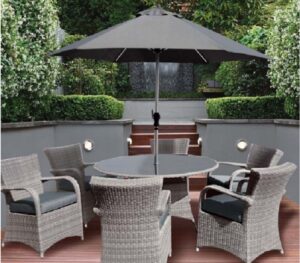
It’s much more common to buy a parasol that is too small than too big. To give you real shade, a parasol needs to cover your table or seating area by about 1m (100 cm) on each side. Otherwise, a canopy will just hover over the middle and everyone seated around the table will not be fully covered; say hello to sunburn on their backs!

A rough guide by seating:

Seating Table size Right Parasol Size
2 people ~70 - 90cm 2m - 2.5m
4 people ~90 - 110cm 2.5m - 3m
6 people ~140 - 160cm 3.5m - 4m
8+ people / commercial 180cm+ 4m+

If you’re still unsure, read our parasol shape and size guide.

Alternatively, our team can advise on specific setups. Call us on 01293 226 477.

Frame Materials

The materials used in parasol manufacturing are probably the most important aspect, having a major impact upon the sturdiness of the structure, its resistance over time and the final price of the garden parasol. The three most common materials used are:

Aluminium parasols

We honestly recommend this to most buyers. Aluminium doesn’t rust, doesn’t need to be treated every year, and does well in the rain and on wet ground. Powder-coated finishes look good in both light and darker colours. Plus, it’s lightweight enough that moving the parasol when you change the layout of the garden isn’t a big deal at all.
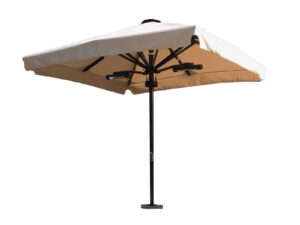
If you’re comparing it to hardwood, a good hardwood parasol does feel more expensive up close. The difference in price is considerably less, but the cost of upkeep could make the wooden material a bit more pricey.

Explore aluminium parasols  >

parasols with aluminium frame material

Wooden parasols (FSC-certified bamboo, eucalyptus)

A wooden parasol that is well taken care of is aesthetically-pleasing when placed in any outdoor setting. Aluminium can’t replicate the way bamboo changes colour over time, the way the surface feels, or the way it turns silver-grey if you leave it alone.

The problem is upkeep. Once or twice a year, oil it and then put it away or cover it up for the winter. If you don’t do that for a few seasons, you’ll see cracks. If you take care of it, a good hardwood parasol will last longer than most items in your garden.

Good for: dining sets made of wood or rattan, and traditional garden styles.

Explore wooden parasols  >

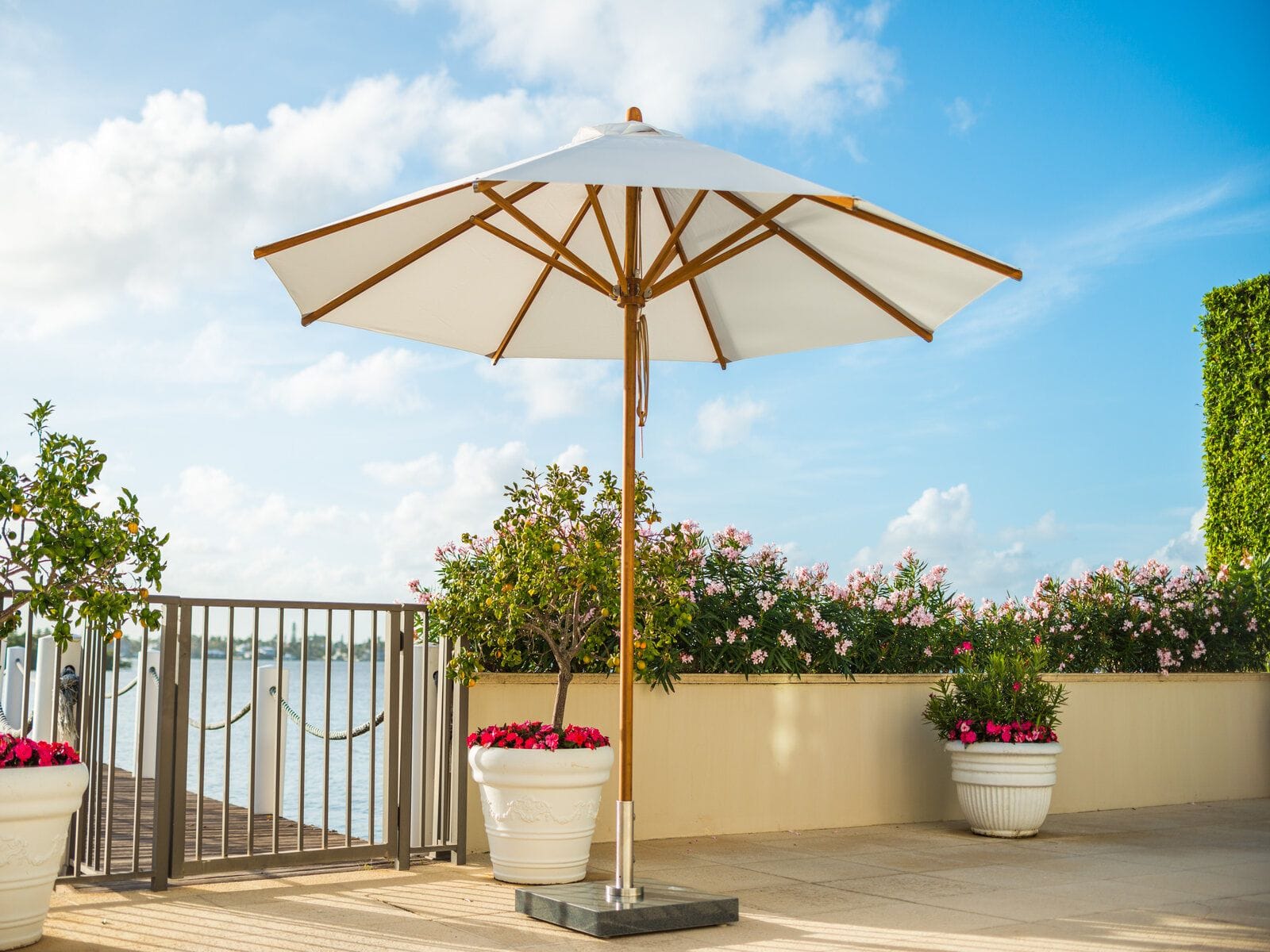
parasols with wooden frame material

Stainless Steel Parasols

If you live near the coast, on a rooftop, or in a commercial space where aluminium corrosion is a big problem, marine-grade stainless steel is the way to go. Heavier than aluminium, more expensive, and more durable in salty-air conditions.

Explore stainless steel parasols  >

Aluminium Parasols

✅ Lightweight
✅ Rust-resistant
✅ Practical

Ideal for easy handling and longevity.

Wooden Parasols

✅ Eco-friendly
✅ Natural aesthetic
✅ Strength rivaling steel

Crafted from bamboo, eucalyptus, or hardwood, they offer an eco-friendly, natural aesthetic. Bamboo boasts tensile strength rivaling steel and often needs minimal treatment.

Stainless Steel Parasols

✅ Robust
✅ Corrosion-resistant
✅ Durable

Robust and corrosion-resistant which is commonly used in demanding, high-traffic commercial environments.

Canopy fabrics

Don’t let the canopy’s colour be your only deciding factor for canopy material. Instead, you should examine its features, such as colour durability, weather resistance, tear resistance, etc.

The most important amongst all of it is the Ultraviolet Protection Factor (UPF) ratings. UPF ratings show how effectively the canopy fabric protects people and outdoor furniture from constant UV ray exposure.

  • Solution-dyed acrylic (our Bamcrylic canopy fabric) is worth the premium for any parasol you’ll use religiously. Each layer of the fabric has the same vibrancy in colour, meaning minimal fading of the canopy.
    UV Rating: UPF 50+ (good UV protection)
    Features: Water-resistance, mould and mildew resistance, fade resistance with colourfastness properties that makes it ideal when purchasing even in darker canopy colours.
  • Polyester canopies cost less and are ideal for occasional use. If the parasol is open daily from May to September, they’re likely to need replacing within 2–3 seasons.
    UV Rating: UPF 30+ (minimal UV protection)
    Features: Water-resistant when treated, fade resistant when UV coating applied.

For commercial use, look for fabric rated to last at least 3,000 hours of UV exposure. For residential use in a typical UK summer, most quality acrylics will last 5–8 seasons before any visible fading.

Still confused? Check out our guide to help you choose the right canopy fabric.

Commercial parasols

Residential parasols are not built for commercial use. The frame gauges are lighter, the mechanisms aren’t designed for daily opening and closing by multiple members of staff, and the fabrics aren’t rated for sustained UV exposure.

Our commercial range can be used in pub gardens, restaurant terraces, hotel courtyards, golf clubs and rooftop bars. This range of parasols uses:

  1. Heavier-gauge aluminium or stainless steel frames
  2. Commercial-grade solution-dyed acrylic canopies
  3. Reinforced opening mechanisms designed for high-frequency use
  4. Wind ratings appropriate for exposed commercial locations
bright yellow commercial parasol in an outdoor setting of a cafe

We also offer custom branded parasols with full-colour canopy printing, making it relevant for venues wanting consistent branding across their outdoor space.

If you’re equipping a venue and need advice on quantities, layouts, or custom specifications, our commercial team handles this directly.

Bases and weights

No parasol stands firmly upright without an adequate base weight. The general principle: the bigger the canopy, the heavier the base needs to be.

Centre Pole Parasol Base Requirements

Canopy Size

Minimum Base weight

Recommended weight 

Up to 2m (up to 6.5ft)

25kg

25kg-50kg

2.1 – 2.8m (7 – 9ft)

50kg

30kg-60kg

3.0 – 3.3m (10 – 11ft)

70kg

70kg

3.6m + (12ft and above)

70kg

120kg

Cantilever parasol base requirements

For cantilever parasols specifically, don’t underestimate the base weight. The offset arm creates significant leverage in wind — a base that looks substantial on the product page often isn’t sufficient for a 3m cantilever in an exposed location. Our product listings specify the minimum recommended base weight for each model.

Canopy Size

Minimum Base weight

Recommended weight 

2.4 – 3m (8 – 10ft)

120kg

120kg

3.3 – 3.6m (11 – 12ft)

140kg

140kg

4m + (13ft +)

280kg

280kg

Selecting A Garden Parasol With Base Guide

Unsure which base is right for you? Discover more in our Guide to Selecting a Garden Parasol with Base.

What to expect from delivery?

We deliver across the UK in 3 working days on stocked items. Larger commercial orders and custom-branded canopies have longer lead times — contact us when you’re planning and we’ll give you accurate timelines.

For questions about any product, feel free to fill up the contact form, call us on 01293 226 477 or email us today: info@shadespecialists.co.uk

Key Points

1. Usage

Tailored solutions for different environments:

Use Case

Why Choose Our Parasols

Commercial & Business

Sturdy, branded parasols that enhance customer comfort and brand visibility.

Garden & Residential

Stylish centre pole parasols that blend into home outdoor spaces.

Cafés & Restaurants

Durable cantilever or large parasols offering shaded seating.

Golf Clubs, Hotels, Pubs

Large models and wind-rated options perfect for open, high-use zones.

Rooftops & Schools

Lightweight yet strong parasols suitable for varied environments.

Restaurant Parasols

Designed for aesthetics, comfort, and branding—encouraging long customer stays.

2. Type Comparison

Type of Parasol

Best For

Key Benefits

Cantilever Parasols

Gardens, restaurants, poolsides

Freestanding side arm, no central pole, adjustable tilt & rotation

Centre Pole Parasols

Patios, lawns, portable shade

Classic design, simple operation, budget-friendly

Large & XL Parasols

Hotels, golf clubs, rooftop bars

Covers wide areas, professional-grade strength

Balinese Parasols

Gardens, spas, decorative use

Exotic look, lightweight, adds ambience

Wind Resistant Parasols

Coastal areas, exposed rooftops

Engineered for high winds, durable frames

3. Material Comparison

Material

Strengths

Ideal For

Aluminium

Lightweight, rust-resistant, easy to move

Residential gardens, cafés

Wooden

Natural, eco-friendly, stylish

Traditional gardens, heritage settings

Stainless Steel

Heavy-duty, corrosion-resistant, robust

Commercial spaces, hotels, high-traffic areas

4. Shape Comparison

Shape

Coverage Style

Recommended Use

Round Parasols

Balanced, circular shade

Small tables, casual gardens

Square Parasols

Structured shade, modern look

Dining areas, retail terraces

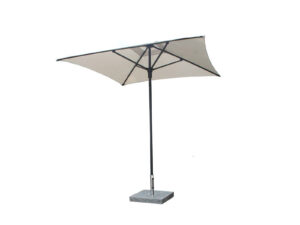
Rectangle Parasols

Wide, elongated coverage

Large dining sets, commercial seating

Frequently asked questions

What size garden parasol do I need?

A good rule: overhang your table by at least 50cm each side. For a 4-person table, 2.5m – 3m works. For 6 people, 3m – 3.5m. For 8+ or any commercial setting, 3.5m – 4m or a cantilever model.

A centre pole is more straightforward and works well for dining tables. Cantilever is better for lounge areas, corner sofas, or anywhere you don’t want a post in the middle of your outdoor space. Both have their place; it’s mostly a decision based on the function of your outdoor space.

Aluminium for low maintenance. Hardwood for aesthetics (with annual oiling). Stainless steel for coastal or commercial environments.

If your garden is exposed, on a slope, coastal, or on a rooftop – yes. Look for vented canopy designs and models with a stated Beaufort rating rather than just “wind resistant” as a marketing claim.

No. Commercial environments need commercial-grade frames, fabrics, and mechanisms. See our large commercial parasols range.

Transform Your Outdoor Space Today!

Choose Your Perfect Shade Sail and Enjoy Comfort, Style, and UV Protection All Year Round.